UK Landscape Photography
A few from my travels around the UK
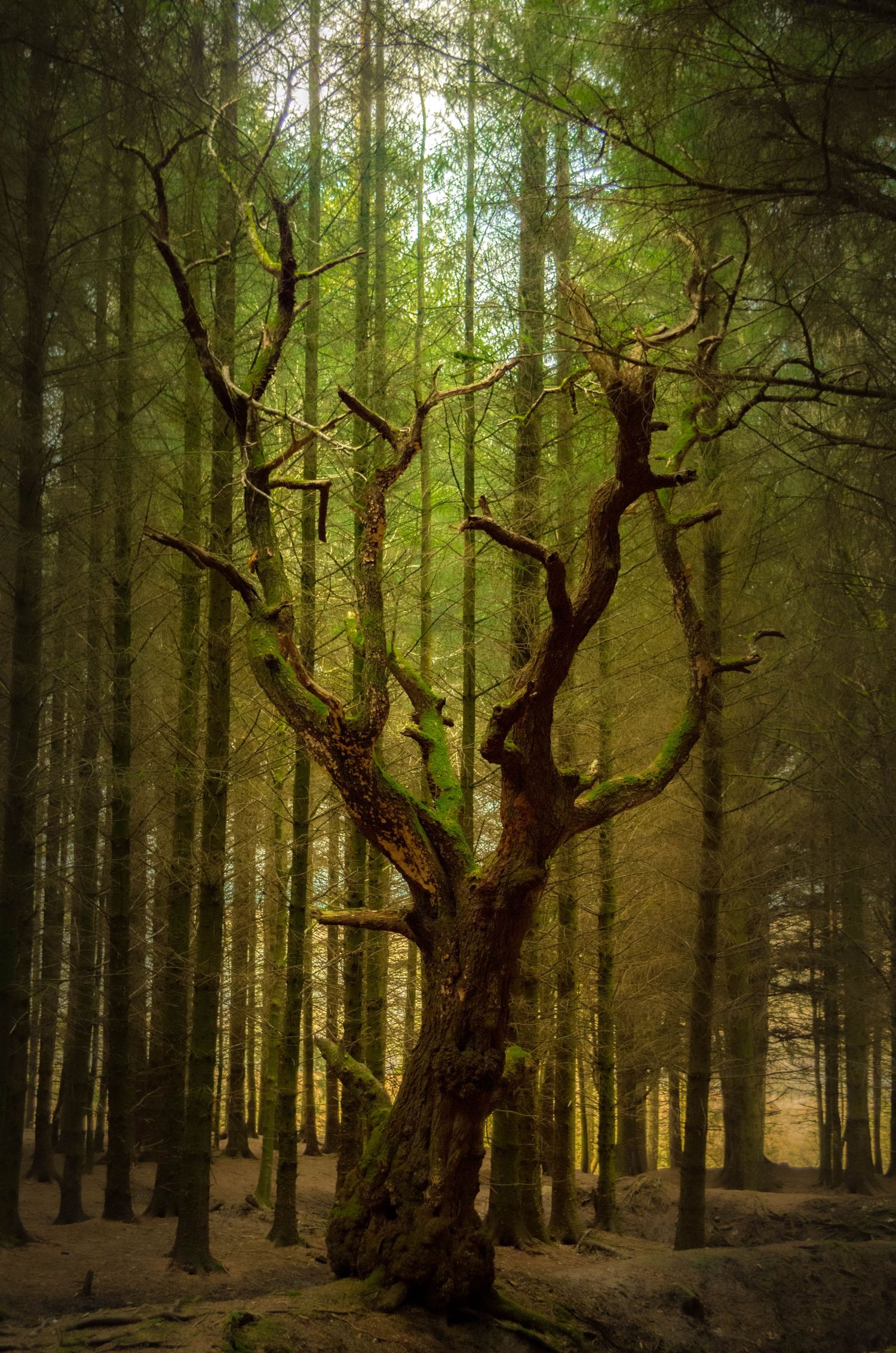
Deanclough Reservoir - The magical Tree
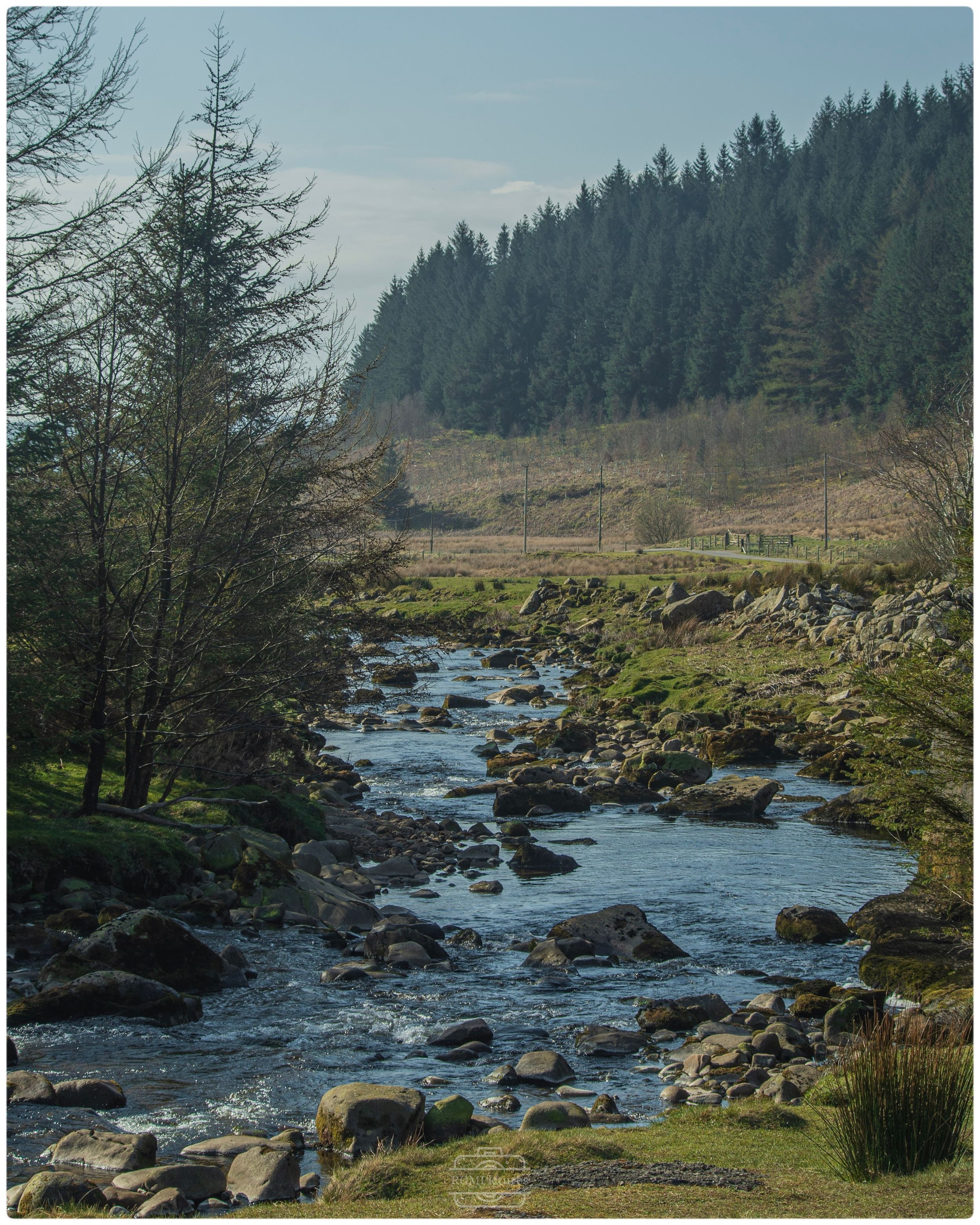
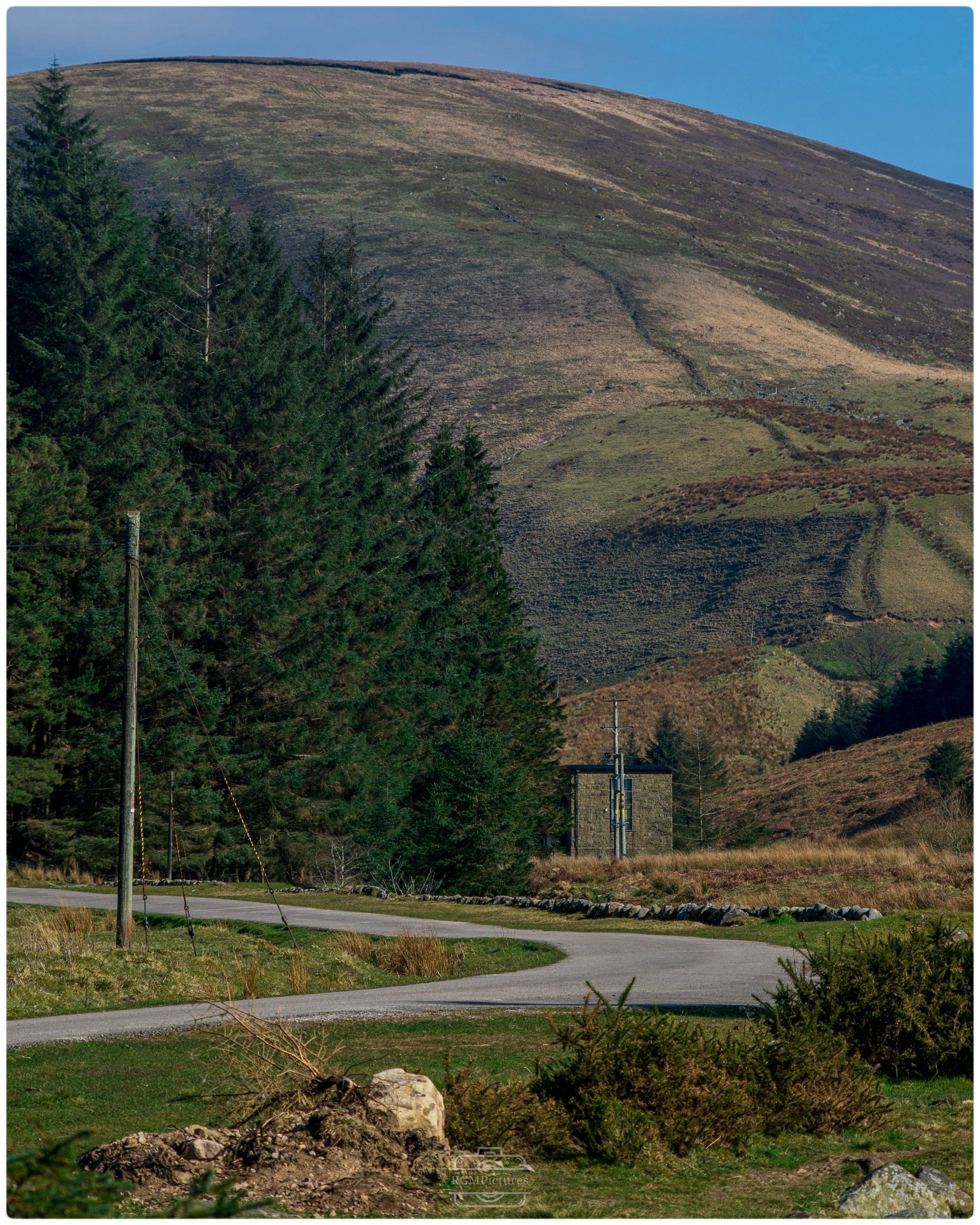
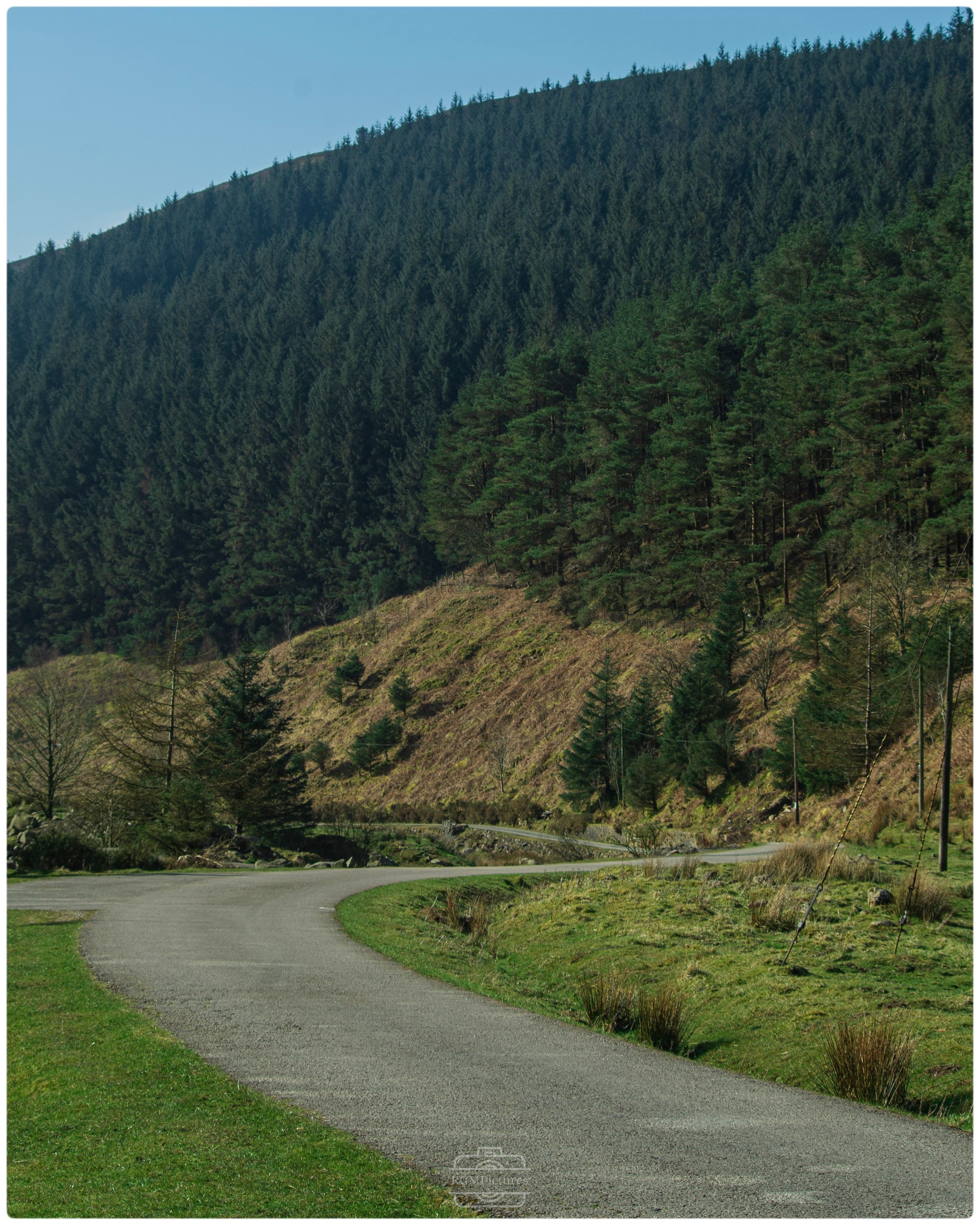
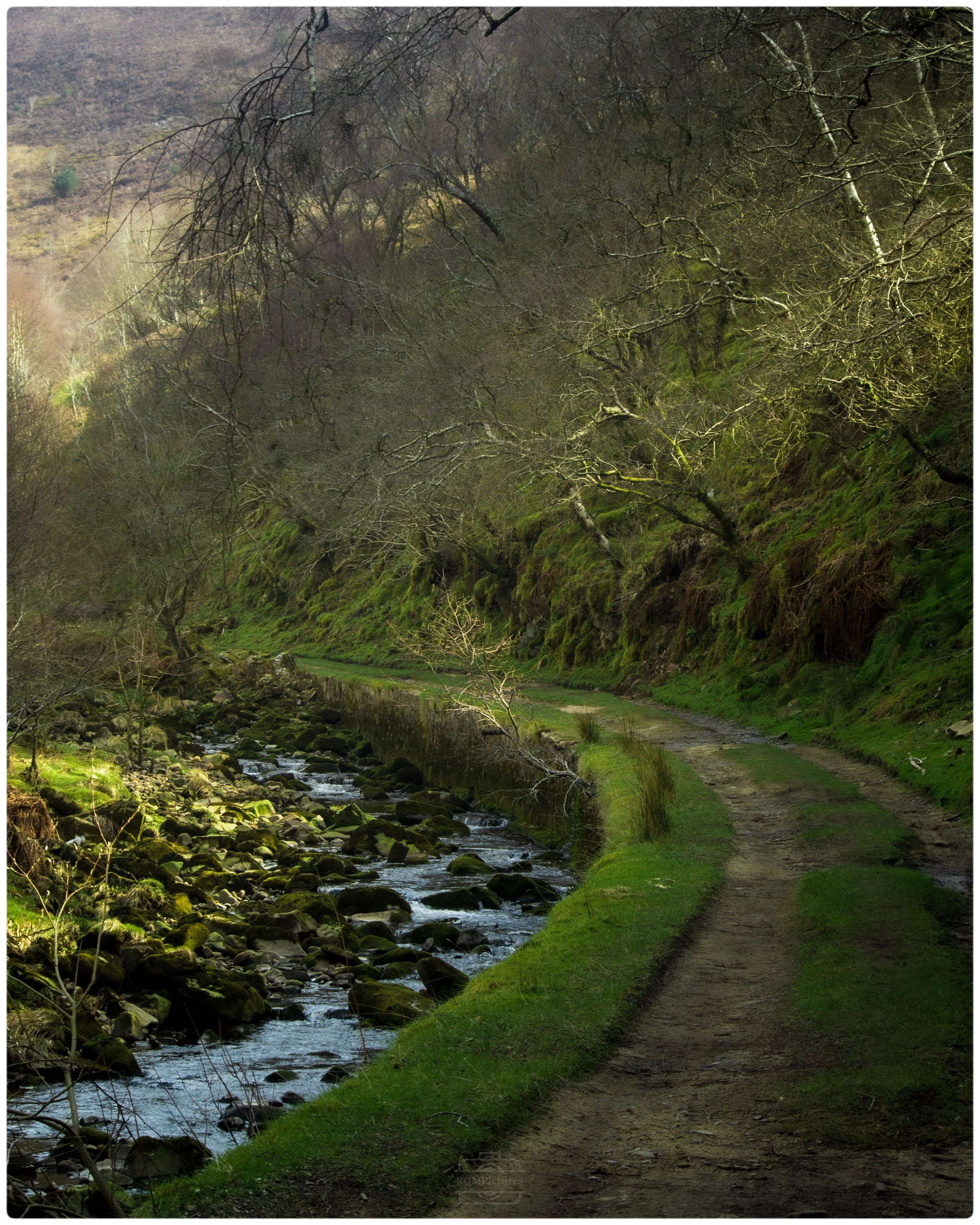
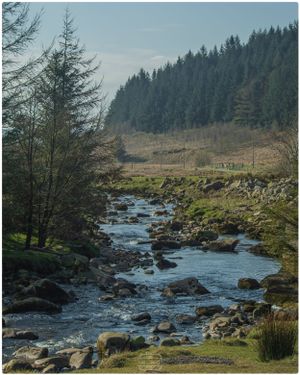
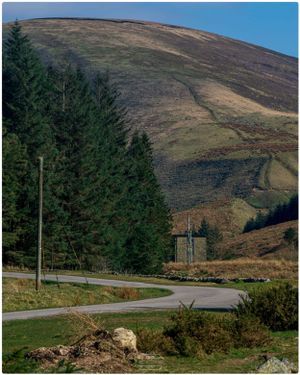
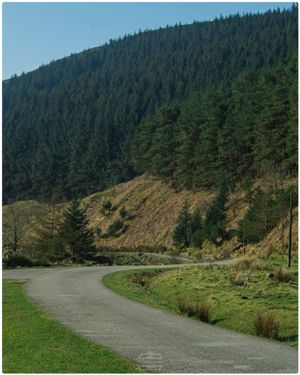
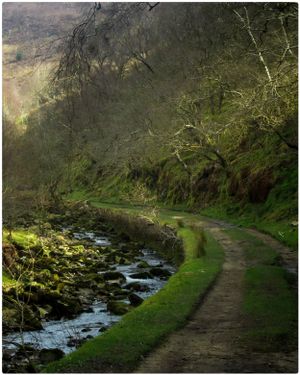
Dunsop Bridge / Dunsop Valley
Dunsop Bridge is a village in the Borough of Ribble Valley, Lancashire, England, 9 miles (14 km) north-west of Clitheroe, 15 miles (24 km) south-east of Lancaster and 24.5 miles (39 km) west of Skipton. It is often cited as the geographic centre of Great Britain, although the exact point is at Whitendale Hanging Stones, near Brennand Farm 1⁄2 miles (7 km) north of the village.
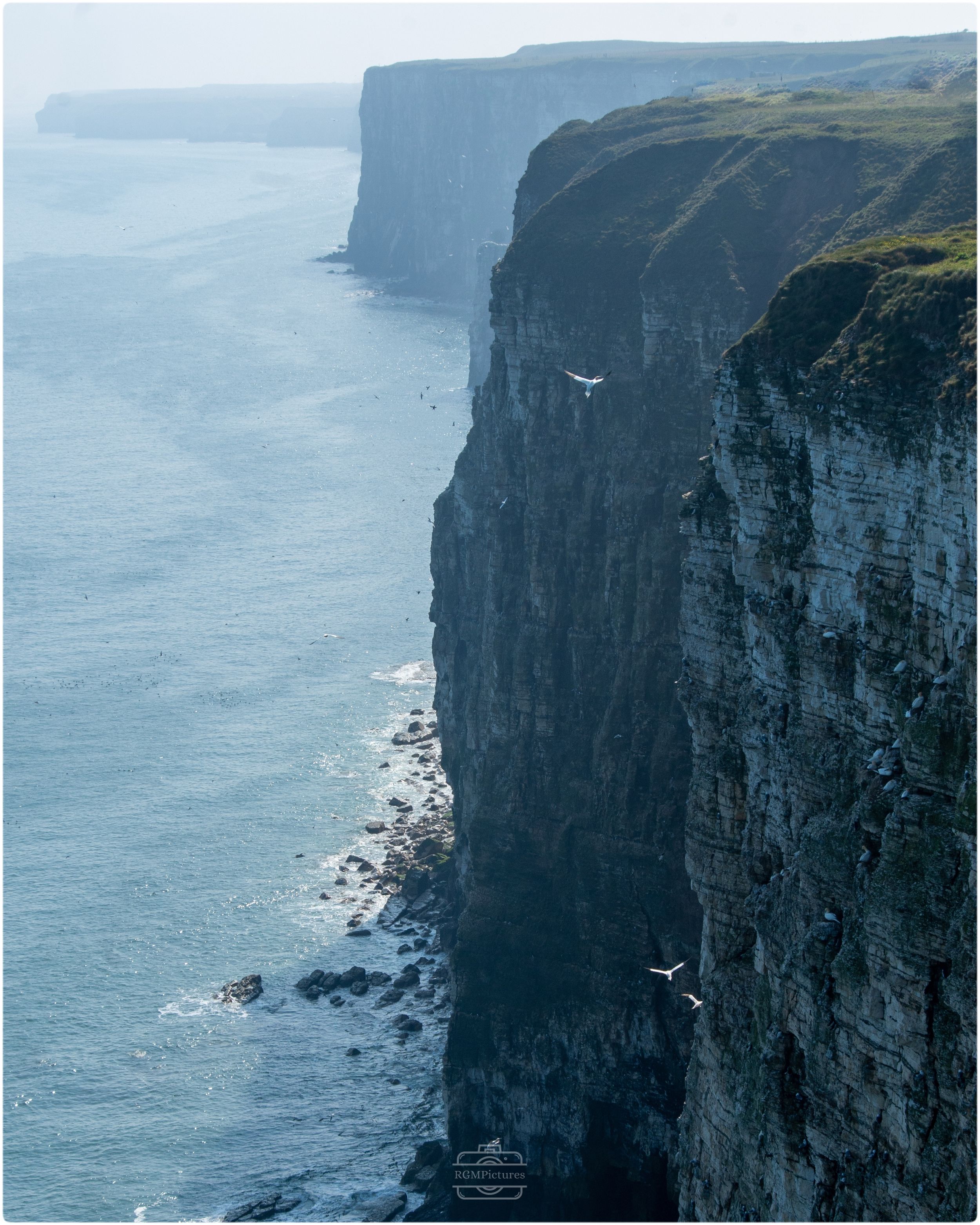
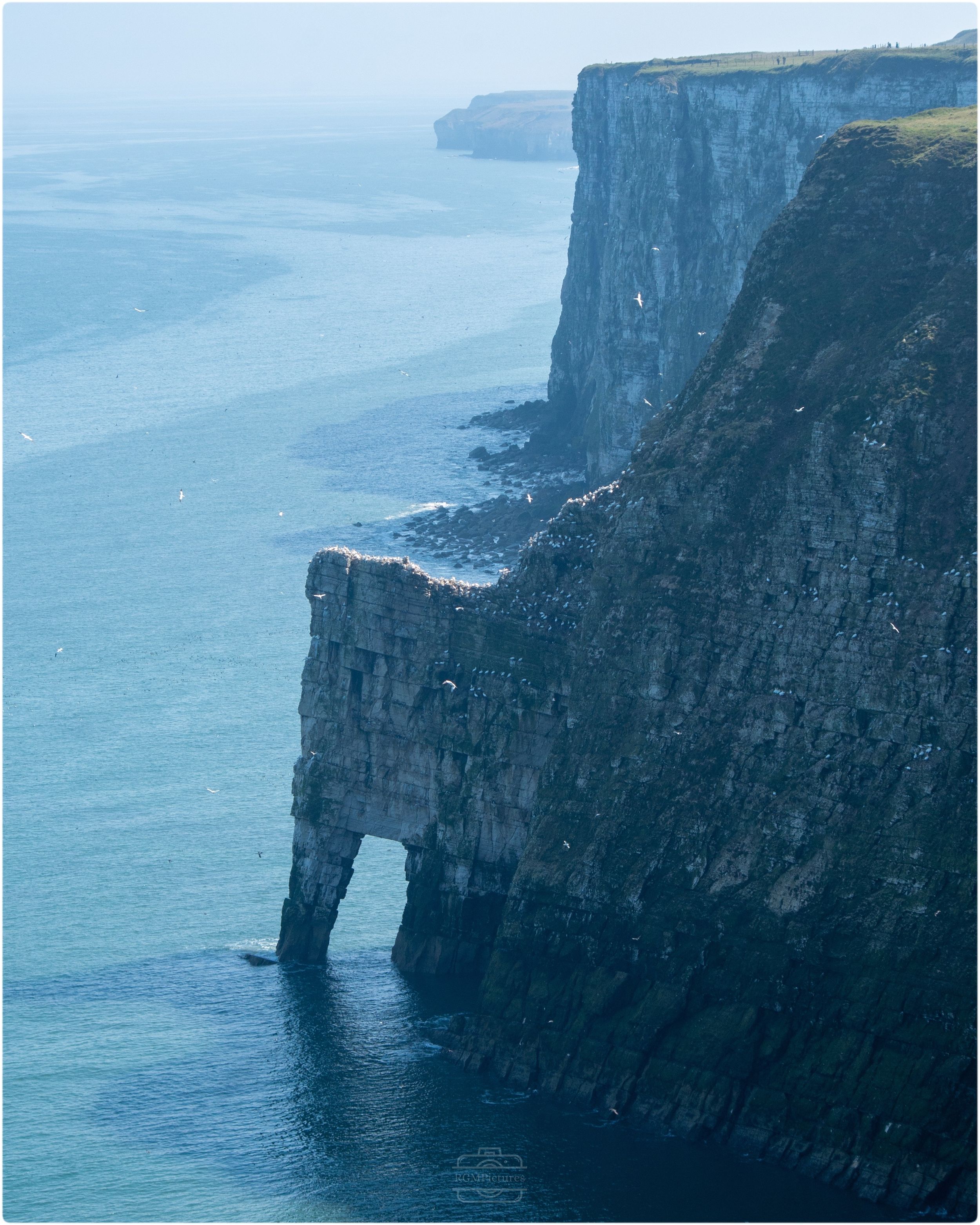
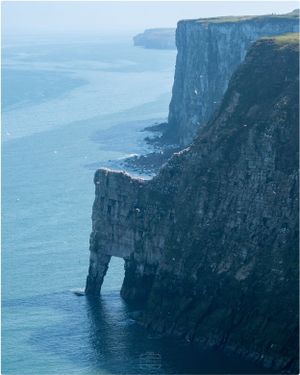
Bempton Cliffs
At the heart of the UK’s largest seabird colony, Bempton Cliffs is one the country’s top wildlife spectacles. Nearly half a million seabirds swooping, soaring and screeching around towering chalk cliffs on the spectacular Yorkshire coast. Between March and October gannets, guillemots, razorbills, kittiwakes, herring gulls, fulmars and shags make their home here and, between April-July, puffins join the throng. It’s an unforgettable sight.
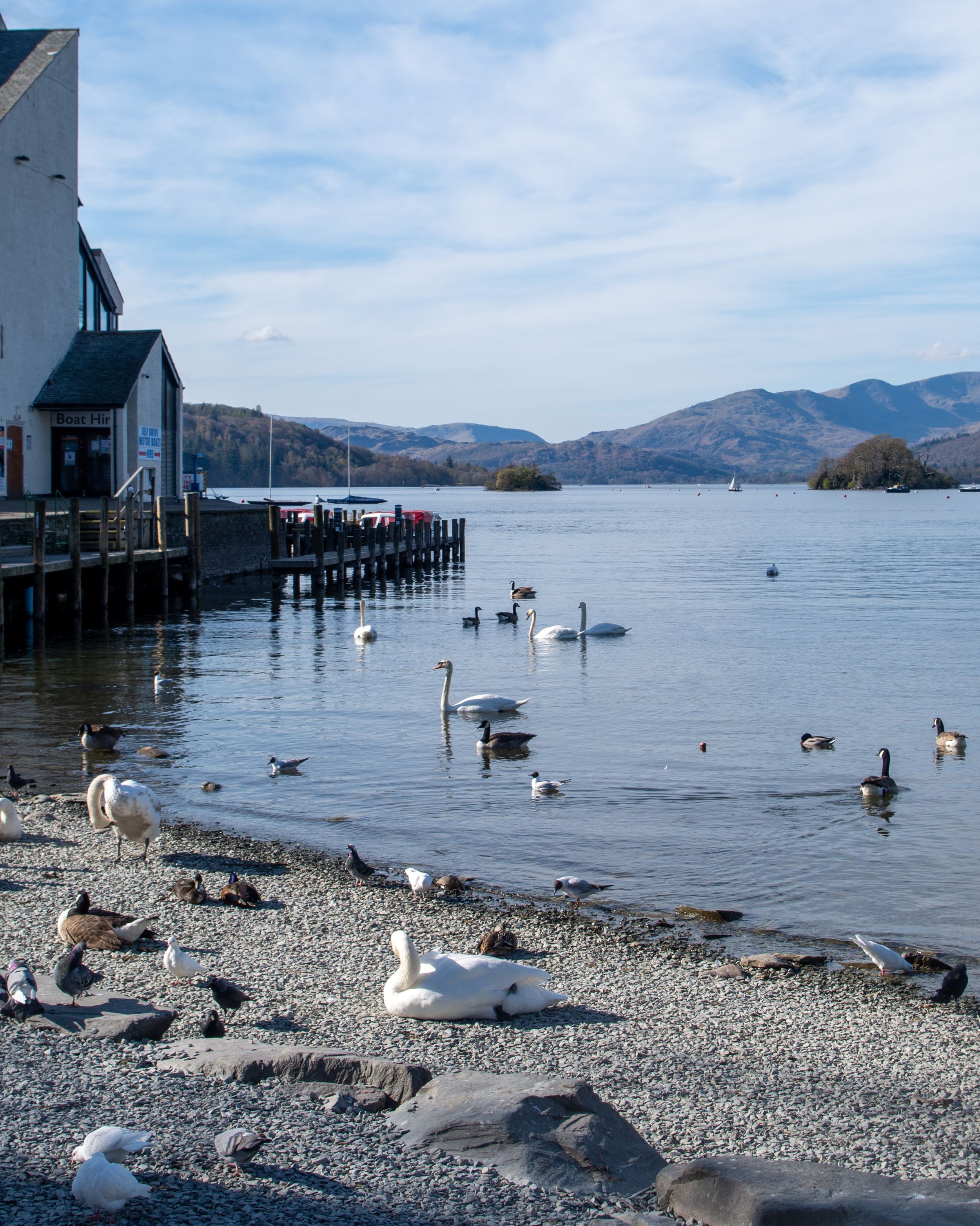
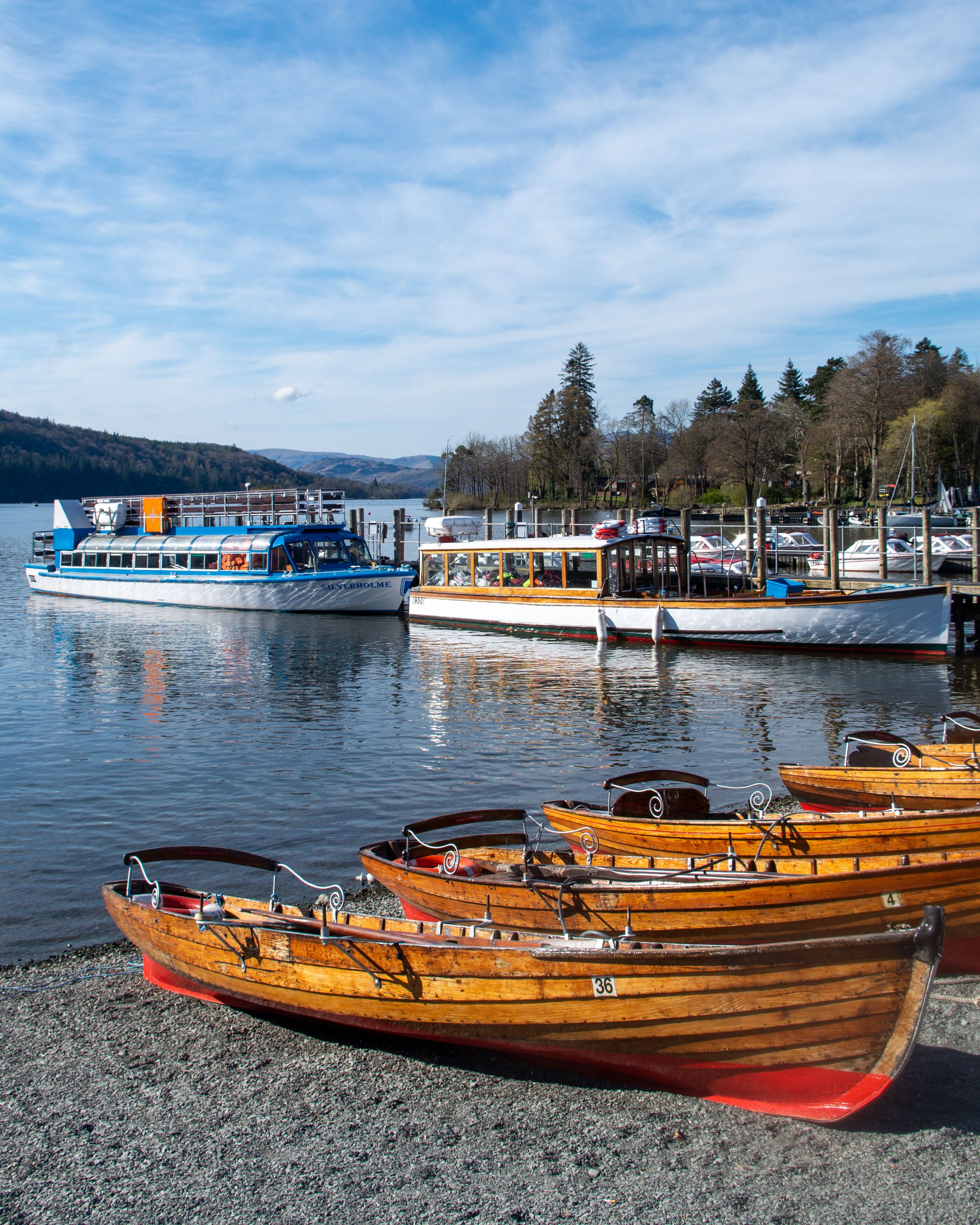
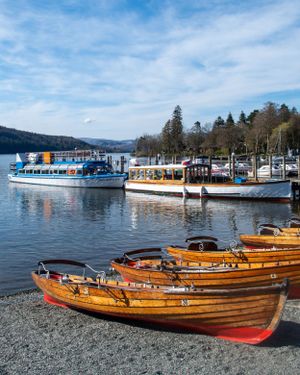
Lake Windermere, The Lake District
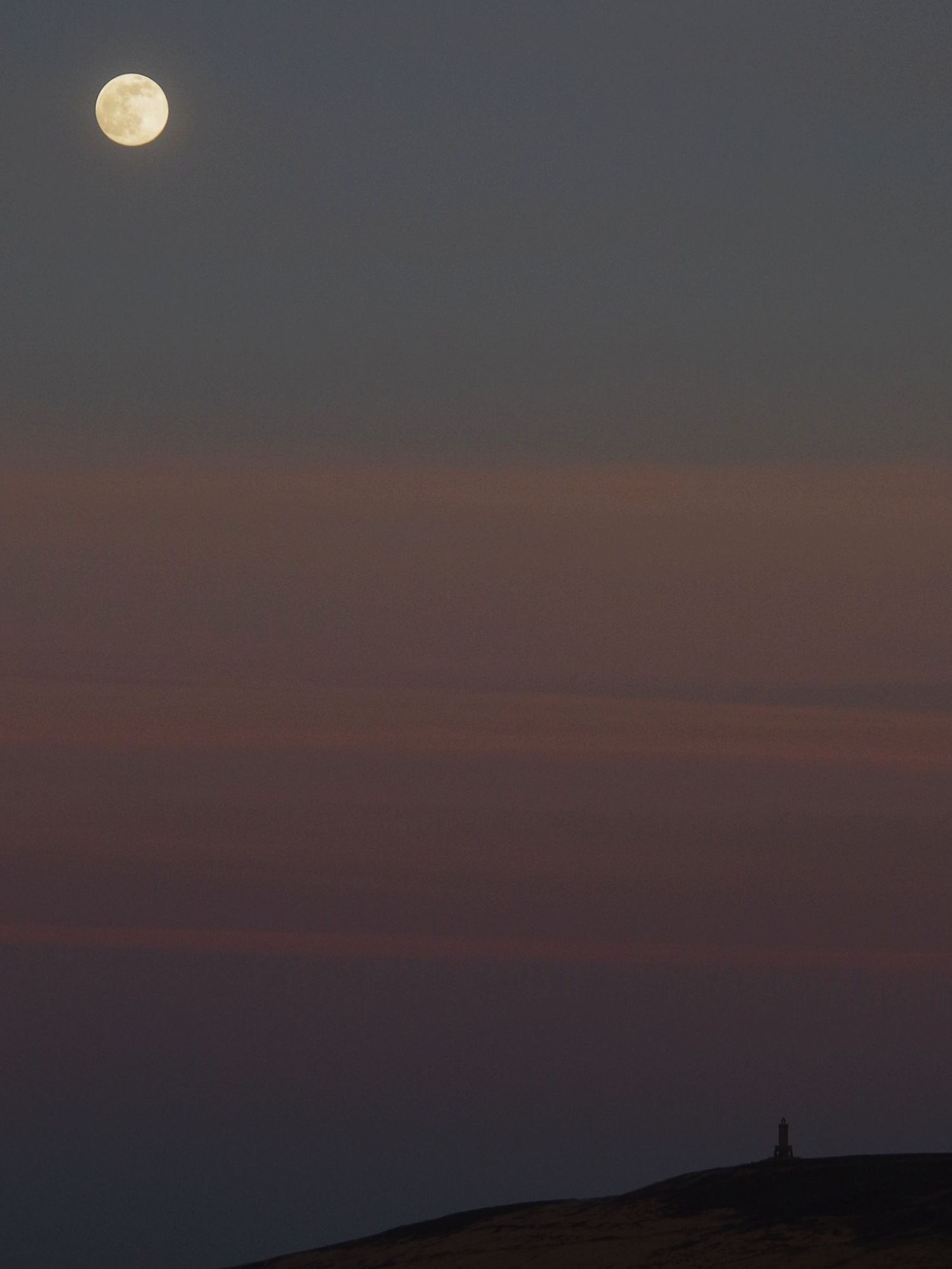
Darwen Tower (Full Snow Moon - 26th February 2021)
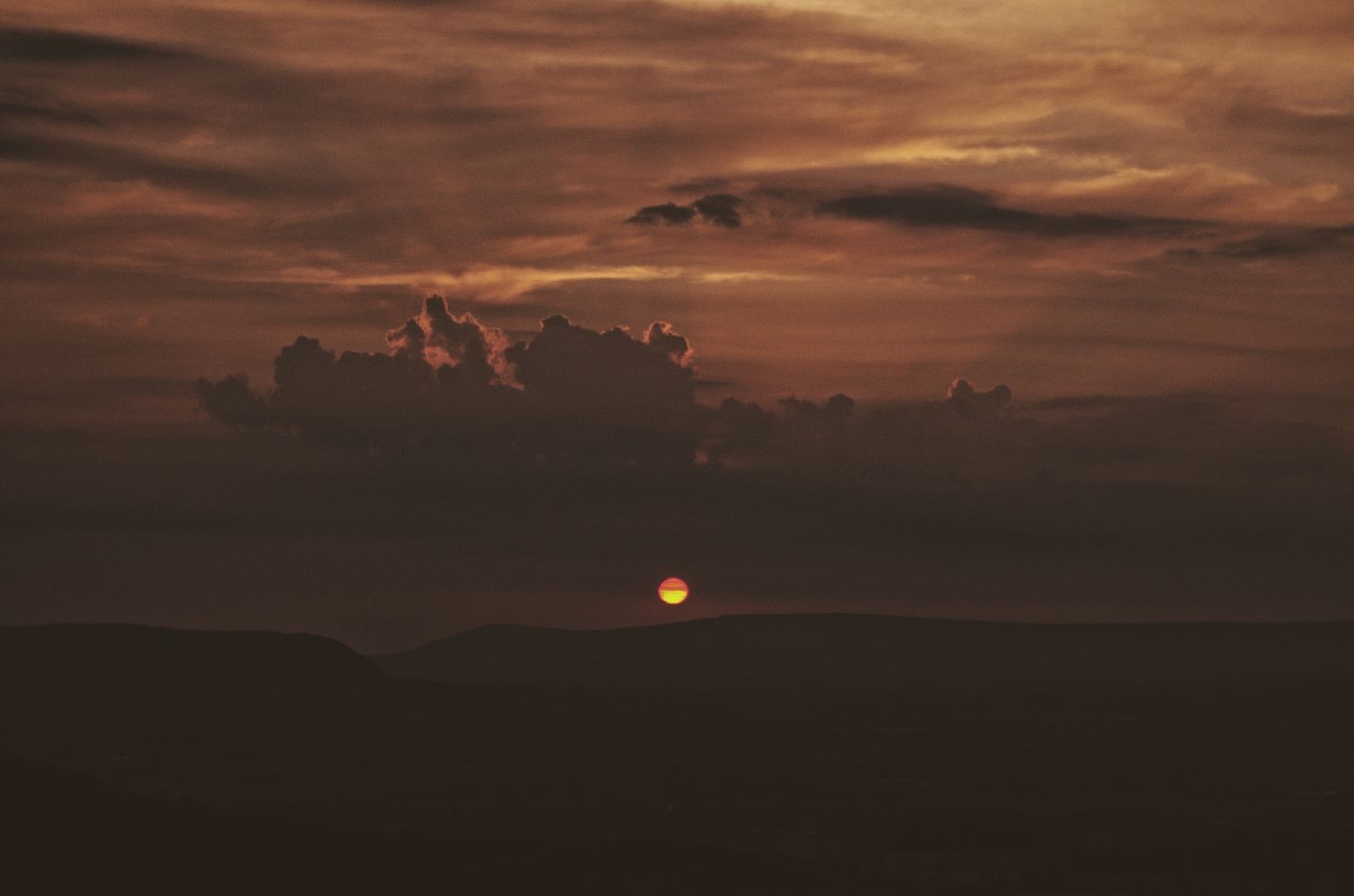
Pendle Hill (Sunset)
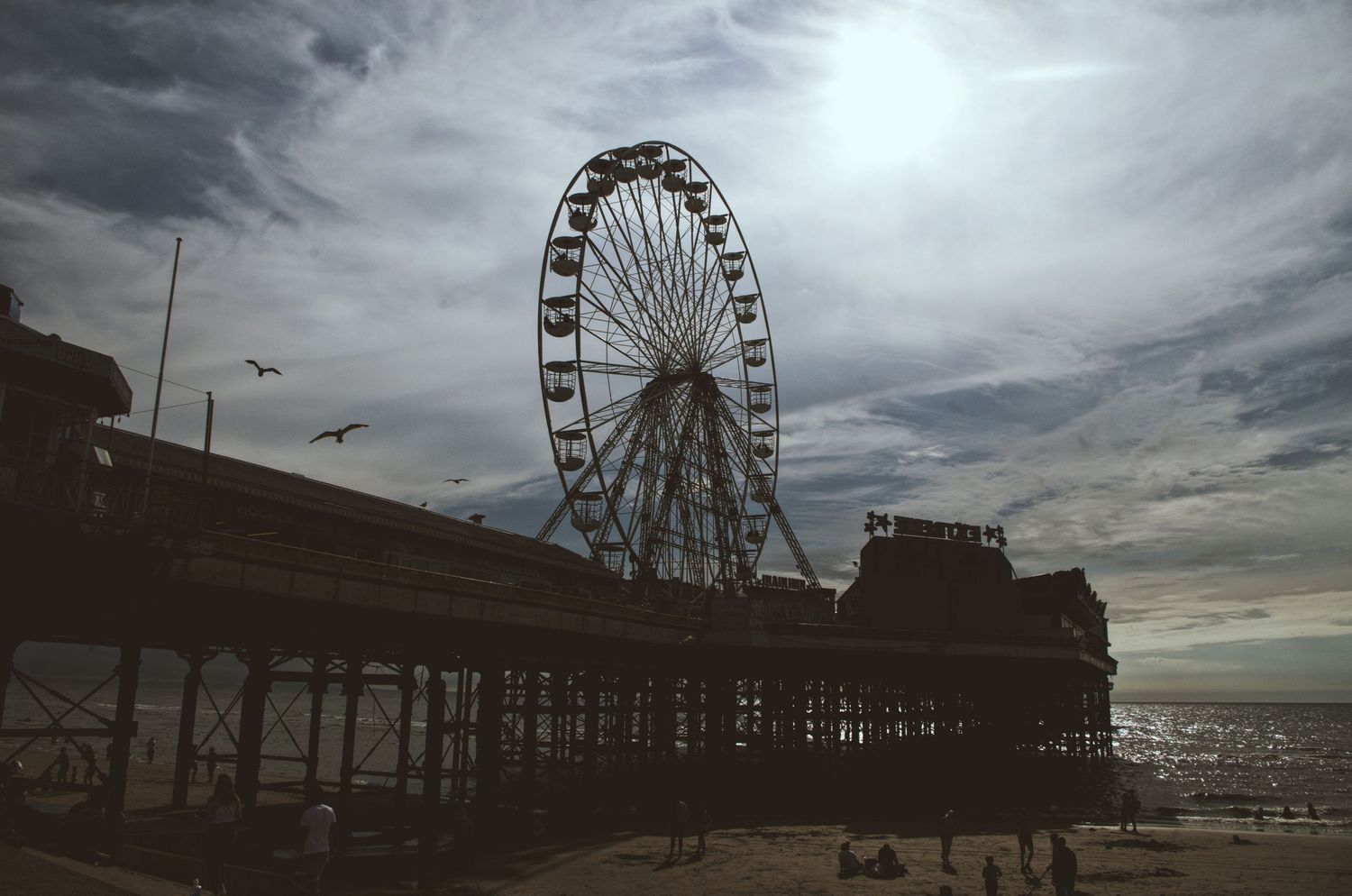
Blackpool Pier (August 2020)
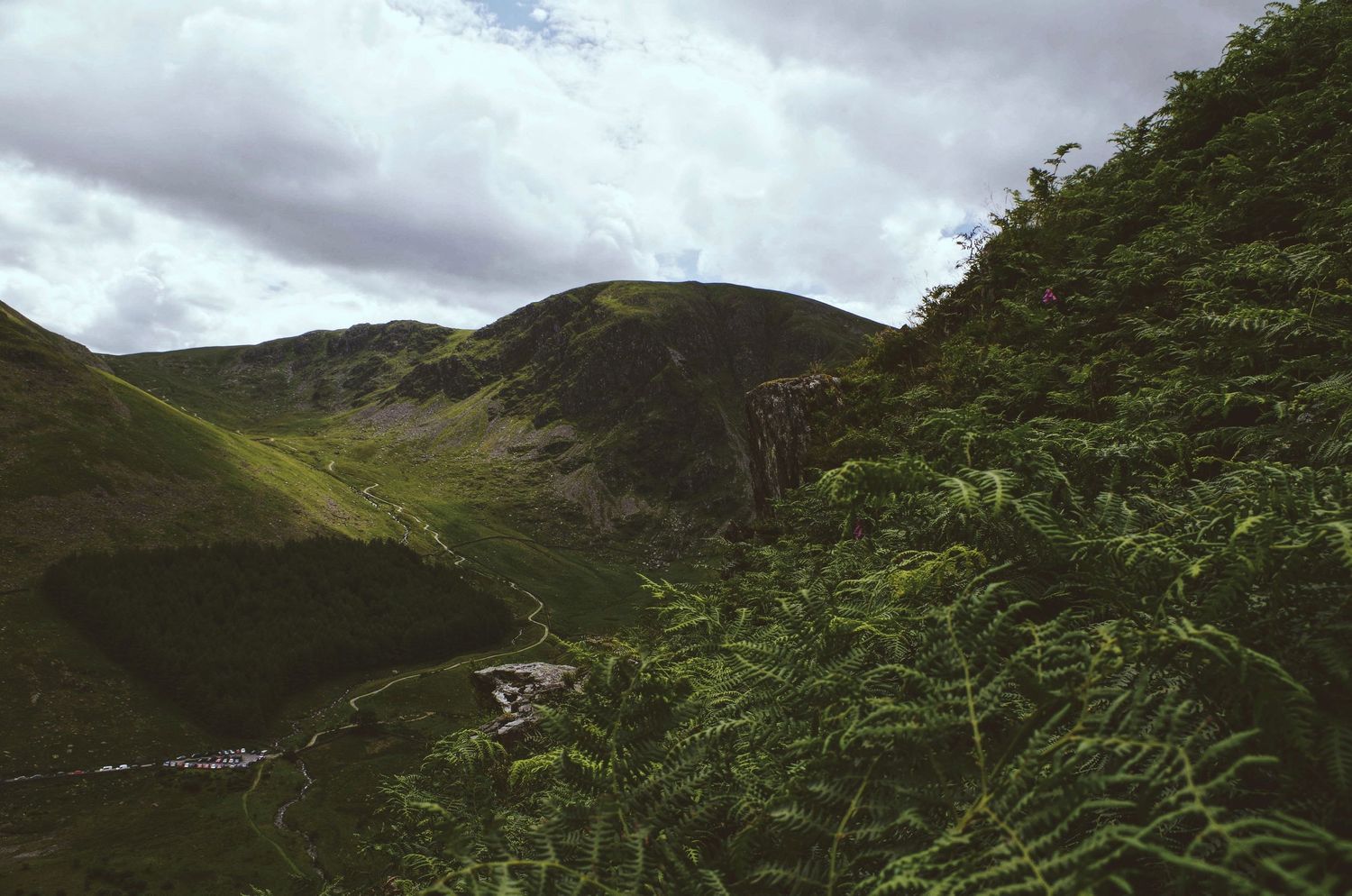
Haweswater (Rough Crag)
Pendragon Castle, Cumbria
Pendragon Castle is reputed to have been founded by Uther Pendragon, the father of King Arthur. According to legend, Uther Pendragon and a hundred of his men were killed here when the Saxon invaders poisoned the well. There are also claims that the Romans built at least a temporary fort here, along the road between their forts at Brough and Bainbridge.
The castle was built next to the River Eden in the Vale of Mallerstang in the late 12th century, probably by Hugh de Morville. Like the nearby castles of Appleby and Brough, Pendragon came into the possession of the Clifford family. It was abandoned after a raiding Scottish army set fire to the castle in 1341, but was rebuilt in 1360. It was left in ruins by another fire in 1541, but was restored in the mid 17th century by Lady Anne Clifford. The castle gradually fell back into ruin after her death – and now remains a romantic ruin.
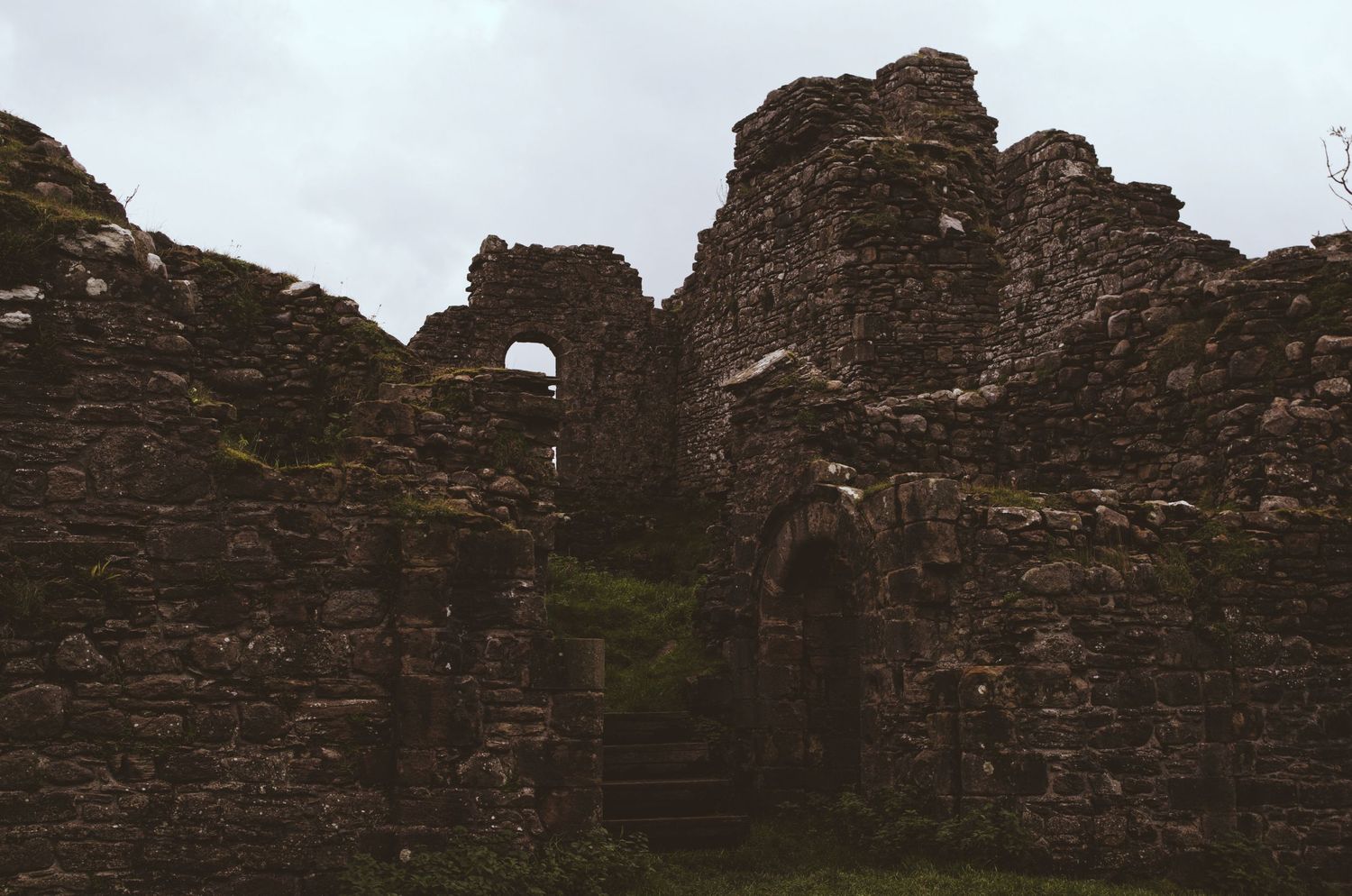
Pendragon Castle, Cumbria (October 2020)
Brough Castle, kirkby Stephen, Cumbria
Brough Castle was built around the year 1100 on a hill overlooking the Stainmore Pass and the valley of Swindale Beck. The strategic importance of this site was recognized by the Romans, and the castle is partly built on a Roman fort. The Brough Castle was attacked by Scots raiding parties on several occasions, notably in 1174, but the greatest damage done to the castle was not from an attack, but from a fire that started following a great banquet in 1521. That fire left the castle in a ruinous state until it was restored by Lady Anne Clifford in the mid 17th century. After Lady Anne's death, the castle fell into disrepair, and the many of the stones were taken for other local building projects.
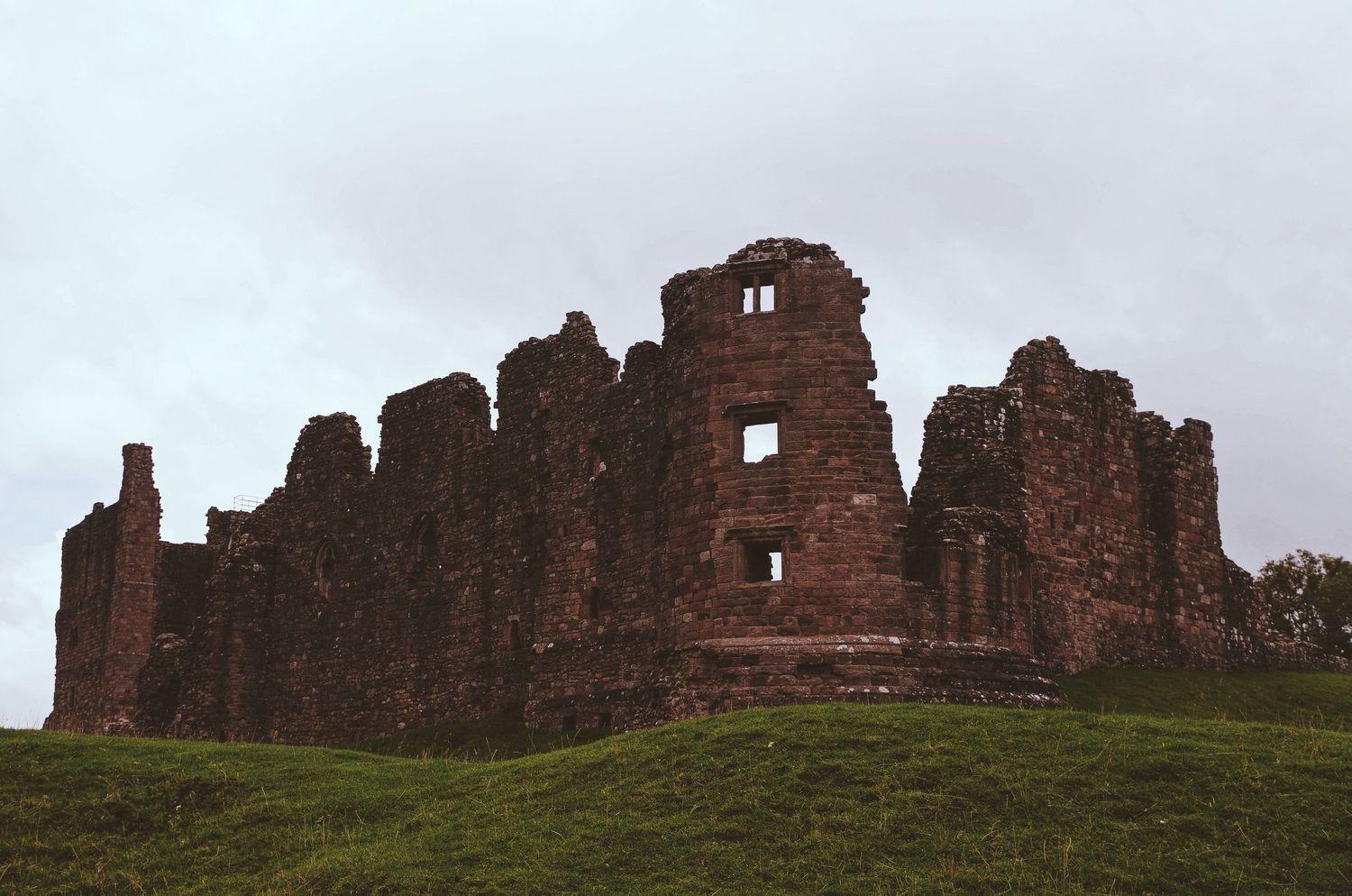
Brough Castle, Kirkby Stephen, Cumbria (October 2020)
St. Peter's Church, Heysham
(August 2020 - Grade 1 Listed Building)
Grade 1 Listed Building
The church of St Peter’s in Heysham is a Grade 1 Listed church and is perched on a Cliffside looking over Morecambe Bay.
There are remains some of the Anglo-Saxon building from around 800AD but most of the present building dates from the 14thC and from around 1500. Inside the church is a Norse hog-back stone from around 1000AD, which would originally have been a grave cover.
A stone coffin lies on the path near the main doorway to the church. This was discovered under the South window of the chancel and contained the remains of a former rector and a chalice. The chalice and remains are now preserved in a recess in the wall of the south aisle.
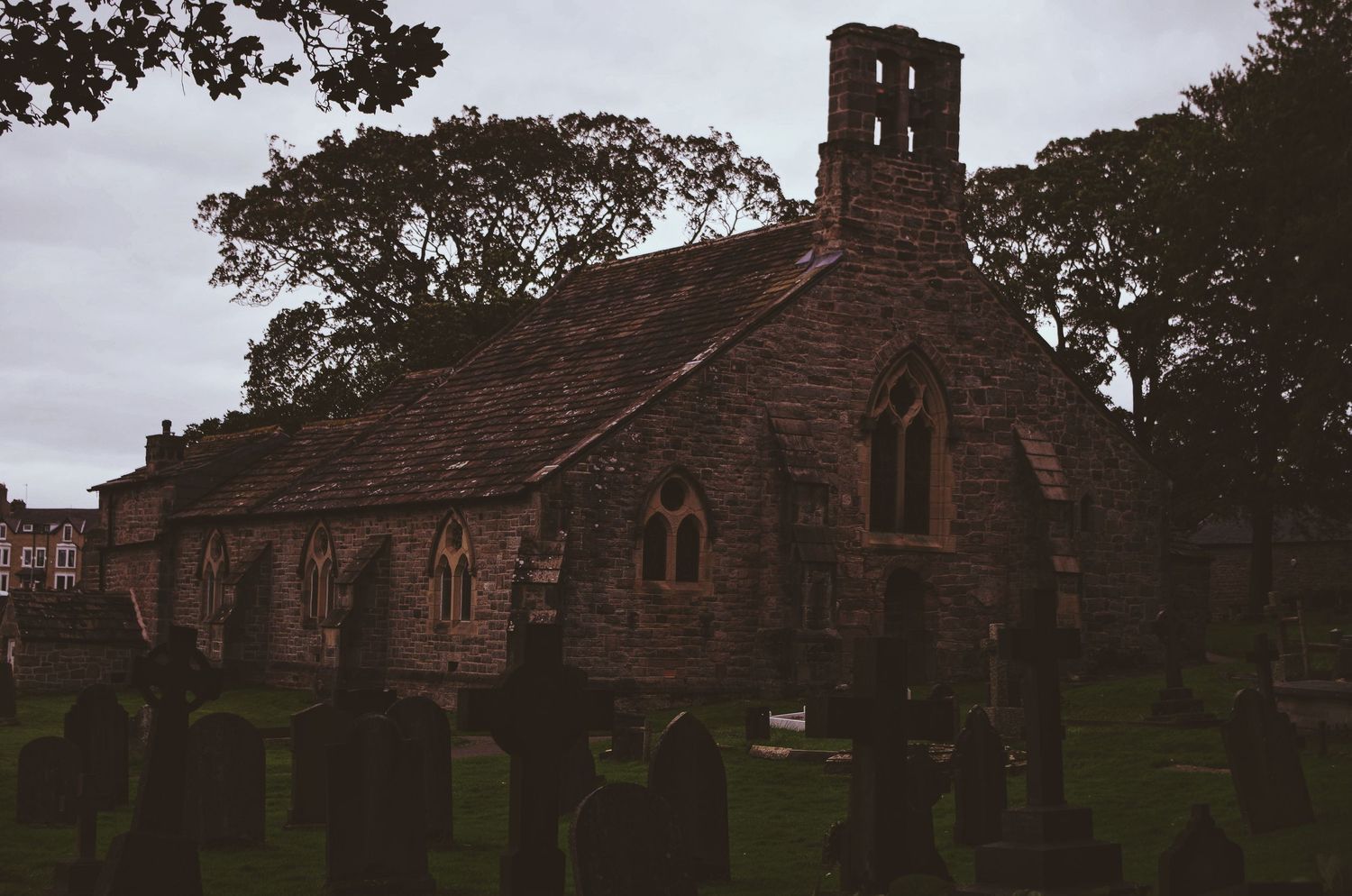
St Peter's Church, Heysham (Grade 1 Listed Building - August 2020)
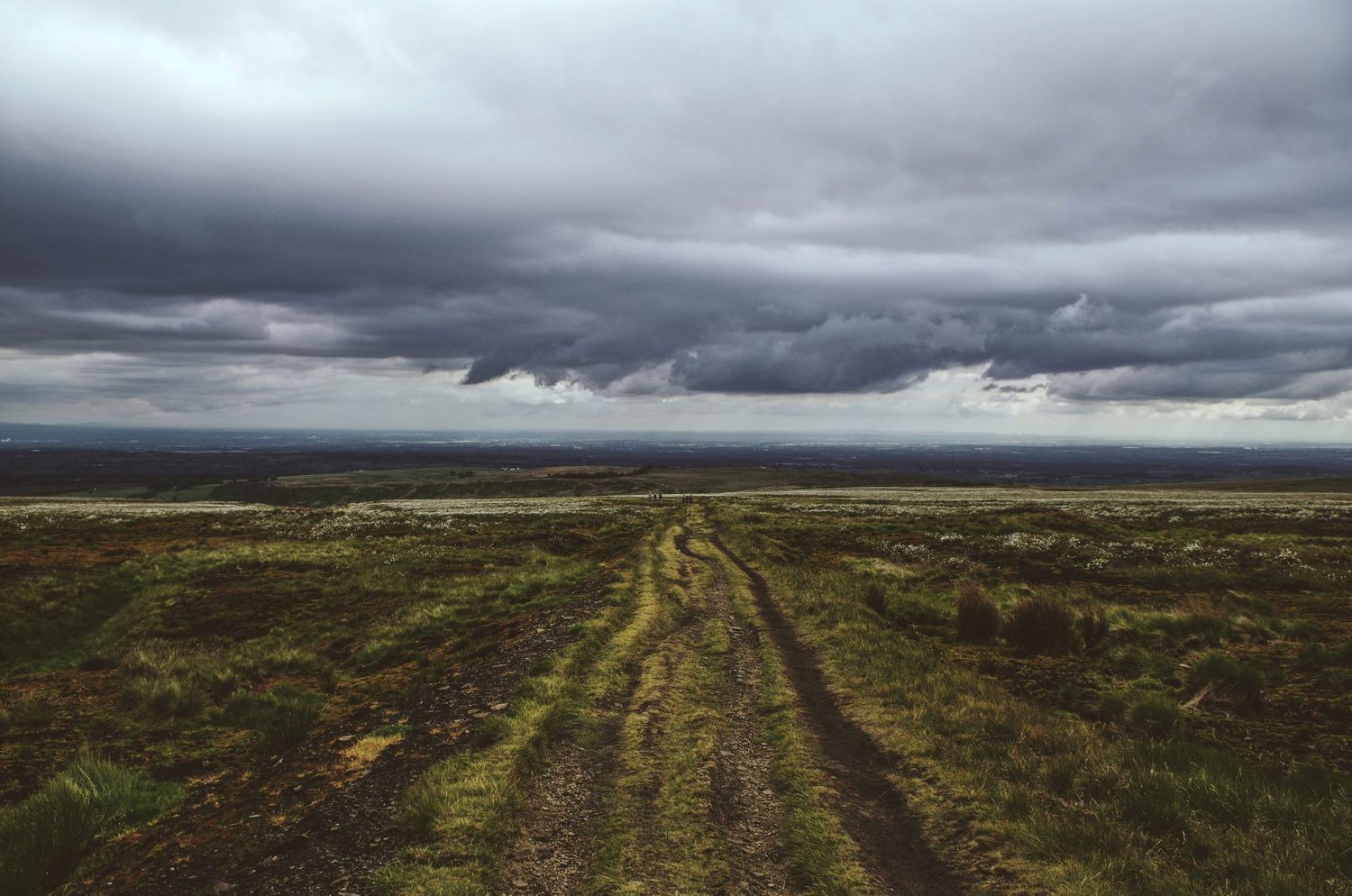
Winter Hill (Lancashire)
I try to explore and discover as many places as I can, the collection above are from my records of my travels.
If you would like to come with me to any locations (as seen above or new) please feel free to contact me via the link below!


